.svg)



8 Best Brand Awareness Tools for Tracking Brand Health

Brand awareness is difficult to measure because signals are spread across many channels at once. Your target audience may show awareness through surveys, search behavior, social media platforms, brand mentions, campaign lift, direct traffic, search traffic, online conversations, and consumer perception.
The right brand awareness tools help you measure it across multiple signals. This article covers tools for custom market research, brand tracking, survey-based measurement, competitive benchmarking, social listening, campaign measurement, and brand health reporting.
TL;DR
These are the best brand awareness tools for tracking brand health, consumer perception, campaign impact, and online visibility.
- Compeers AI — Custom brand awareness research and reporting
- Pollfish — DIY brand awareness surveys
- Tracksuit — Always-on brand tracking for marketers
- Quantilope — Advanced brand tracking and consumer intelligence
- Latana — Specialized brand tracking and perception measurement
- Kantar — Enterprise brand guidance and campaign measurement
- Attest — Self-serve brand tracking and consumer research
- Brandwatch — Social listening and online brand visibility
8 Best Brand Awareness Tools for 2026
Brand awareness tools help your team track how many people know your brand, how they recognize it, what they remember, and how they compare it with competitors.
The right setup combines surveys, brand tracking, social listening, campaign performance, and customer feedback to give marketers a clearer picture of brand visibility and perception.
A clear brand awareness strategy needs tools that connect measurement to brand strategy, marketing efforts, and purchase decisions. This becomes even more important when aligning awareness with a broader SaaS SEO strategy and long-term content marketing strategy.
The eight tools below help you measure awareness from different angles, from consumer surveys to online mentions and custom research.
1. Compeers AI
Compeers AI is a human-led, AI-enabled research platform for brand awareness measurement, audience segmentation, perception analysis, surveys, and reporting.

Compeers AI is the right fit when your team needs more than a dashboard of brand health metrics. You can design custom brand-awareness research to measure aided and unaided awareness, brand recall, consideration, message association, and consumer perception, and then connect those findings to deeper qualitative and quantitative analyses.
The research workflow supports survey design, data collection, respondent quality checks, cross-tabs, open-ended coding, thematic analysis, sentiment analysis, visual summaries, and traceable reports.
Qualitative Compeer supports interviews and focus groups, Quantitative Compeer supports survey research and advanced analytics, Segmentation Compeer helps compare specific audience segments, and Savant helps your team explore patterns in research data.
Brand Awareness Signals Compeers AI Helps Measure
- Aided awareness, unaided awareness, and brand recall among your target audience.
- Brand perception, message association, consideration, and purchase intent.
- Awareness differences across audience segments, customer types, markets, or behavior groups.
- Open-ended reasons behind recognition, trust, confusion, or competitor preference.
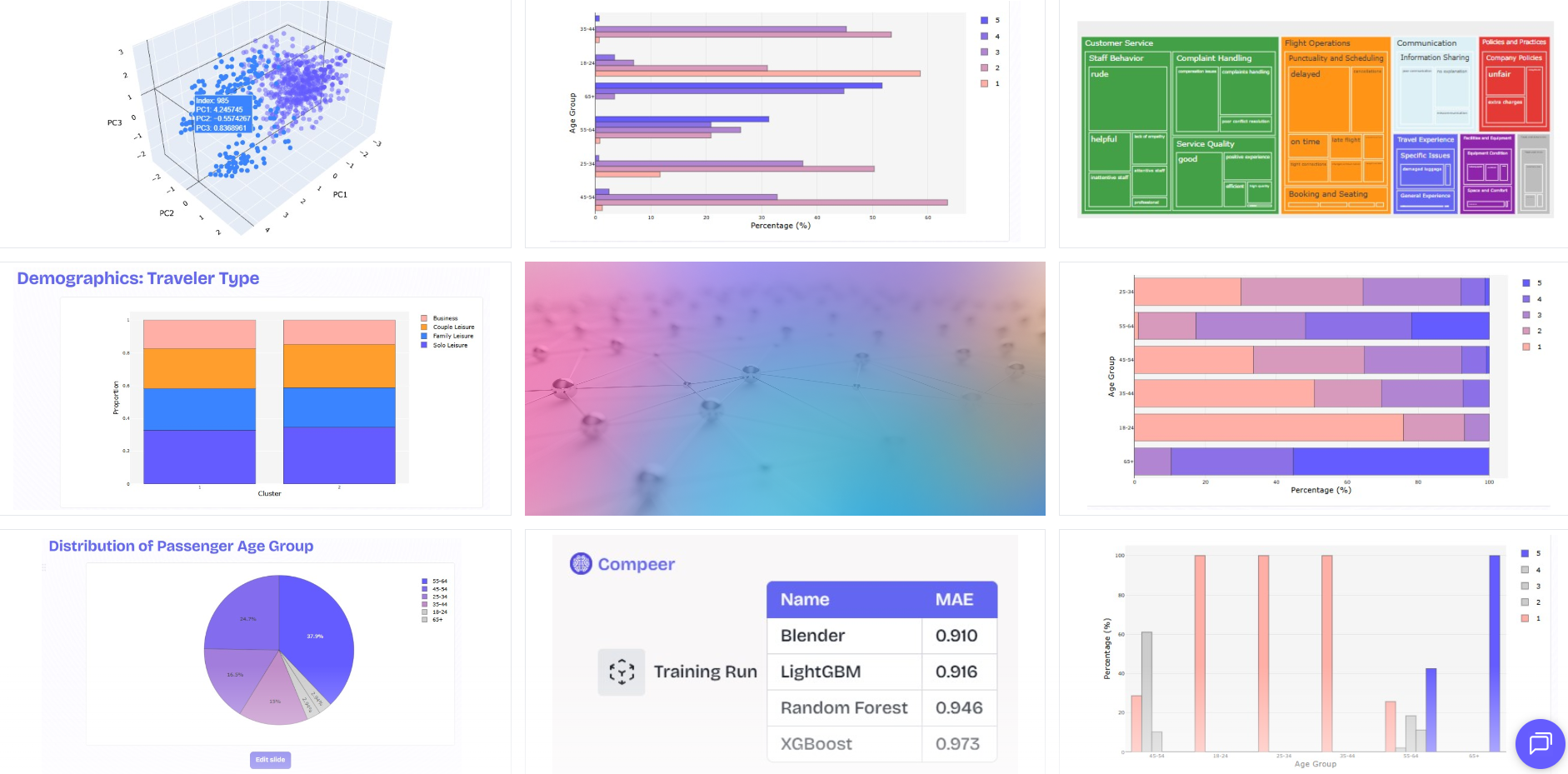
How Compeers AI Supports Brand Research
- Custom survey design lets marketers measure brand awareness goals by tying questions to your category, competitors, and marketing channels.
- Qualitative and quantitative inputs let your team connect survey results with interviews, focus groups, and open-ended responses.
- Advanced analysis compares awareness, perception, and consideration across segments, messages, markets, and campaign exposure.
- Traceable first-draft reporting helps your team move from raw data to actionable insights without losing the source behind each finding.
Book a demo to see how Compeers AI turns brand awareness research into traceable findings!
2. Pollfish
Pollfish is a DIY survey and market research tool for building brand awareness surveys, targeting respondents, collecting consumer data, and reviewing results in real time.
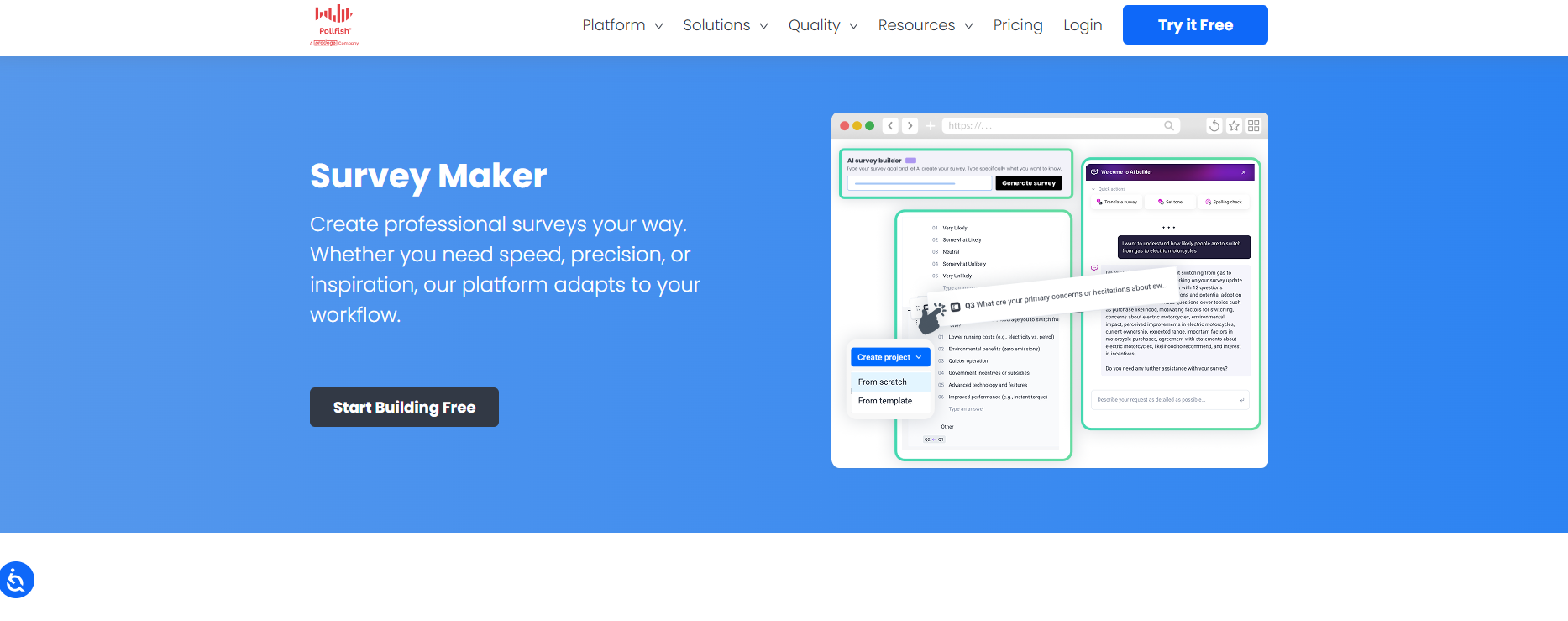
It includes templates for Brand Awareness, Brand Perceptions, Brand Diagnostic, Logo Testing, and Advertising Testing, as well as audience targeting and data visualization tools.
Pollfish works well when you want a fast survey setup for brand awareness campaigns, brand recognition, creative testing, or consumer behavior research without building every survey from a blank page.
Brand Awareness Signals Pollfish Helps Measure
- Brand recognition, brand visibility, and familiarity within a target audience.
- Brand perception, brand trust, and opinions tied to consumer sentiment.
- Ad recall, logo response, and message reaction before or after campaigns.
How It Supports Brand Research
Pollfish helps marketers create brand awareness measurement tools with templates, audience filters, and fast fielding. You can target respondents by demographic, location, behavioral, or psychographic criteria to reach a specific audience segment.
Its results dashboard helps you track completions, quotas, incidence rates, filters, crosstabs, and exports while data collection is still active. That gives your team a faster way to analyze survey data, monitor key performance indicators, and shape marketing strategies.
3. Tracksuit
Tracksuit is an always-on brand tracking tool for marketers who need recurring visibility into brand performance, funnel movement, and consumer perception.
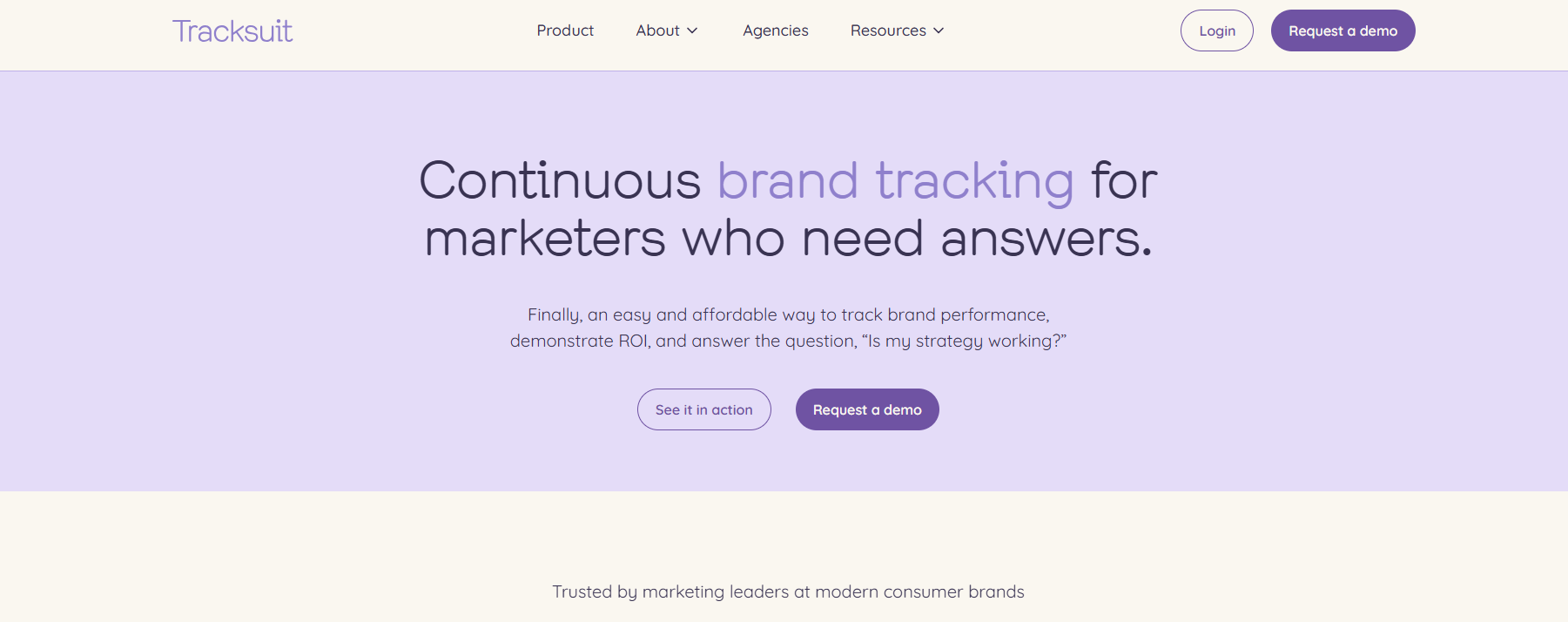
It tracks brand funnel metrics such as awareness, consideration, usage, and preference, then displays results in an accessible dashboard for marketing teams.
Tracksuit is built for brands that need recurring brand health visibility, board reporting, campaign impact review, and category context without relying on disconnected agency decks or one-off research dips.
Brand Awareness Signals Tracksuit Helps Measure
- Awareness, consideration, usage, and preference inside the brand funnel.
- Brand associations, trust signals, and perception changes over time.
- Category attitudes, buying drivers, and consumer behavior shifts.
How It Supports Brand Research
Tracksuit provides a live brand tracking view instead of a static report after each research wave. That helps marketers connect brand awareness efforts with funnel changes, category shifts, and campaign performance.
Its dashboard makes brand metrics easier to share with leaders who need quick visibility into brand growth. You can use it to monitor brand impact, compare competitors, and track how marketing campaigns affect perception over time.
4. Quantilope
Quantilope is an AI-powered consumer intelligence tool for automated research, real-time tracking, and advanced brand health measurement.
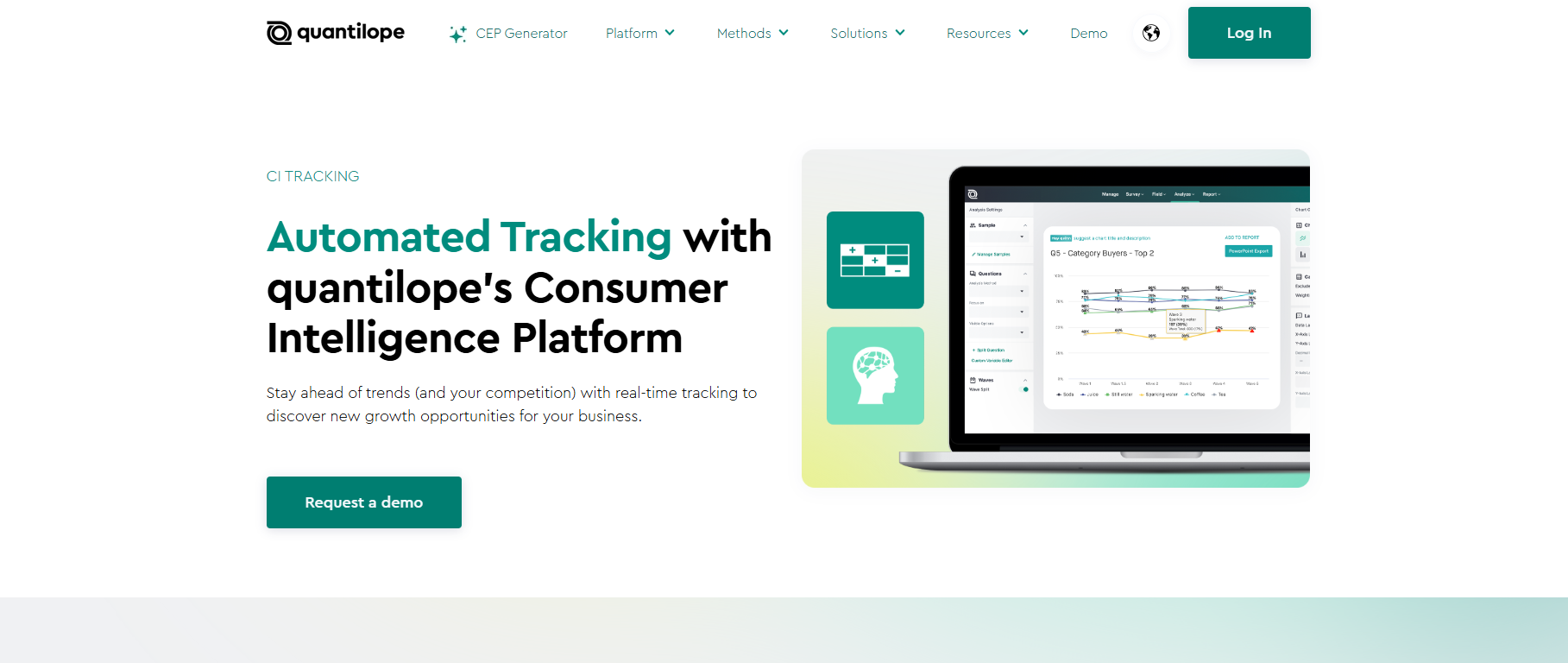
Its CI Tracking product supports automated tracking, panel-agnostic setup, flexible time-based analysis, real-time dashboards, automated significance testing, and AI-assisted analysis through Quinn.
Quantilope is a suitable option when your team wants advanced analytics for brand tracking, ad tracking, category entry points, mental availability, and mental advantage.
Brand Awareness Signals Quantilope Helps Measure
- Category Entry Points, Mental Availability, and Mental Advantage.
- Brand tracking funnel movement and ad tracking performance.
- Real-time changes in brand health, growth opportunities, and competitive position.
How It Supports Brand Research
Quantilope supports automated brand tracking waves with drag-and-drop survey modules and real-time result monitoring. You can connect to panels, split tracking data by time period, and share dashboard links with stakeholders.
Its brand-tracking model is useful when your team wants to connect awareness with buying situations and category growth. The tool can support data-driven decisions for marketing strategies, brand performance review, and recurring brand awareness measurement.
5. Latana
Latana is a brand-tracking tool for marketers, insights teams, strategists, and agencies that need precise measurement of brand perception and performance.
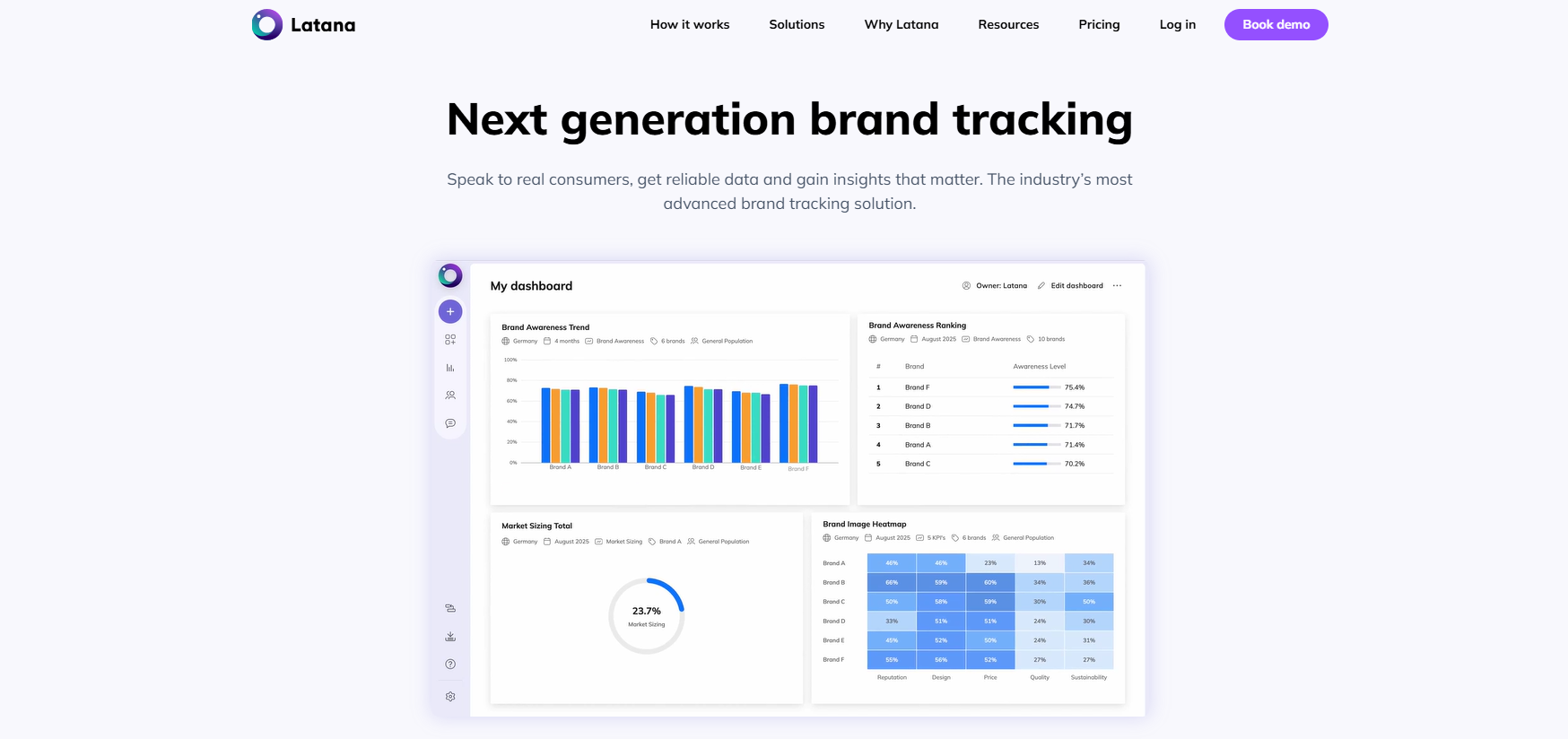
It focuses on access to everyday consumers, non-incentivized sampling, large sample sizes, feasibility for niche audiences, and full control from data collection to insights.
Latana also offers modules for ad awareness tracking, brand health tracking, competitor benchmarking, purchase funnel tracking, and brand strategy planning.
Brand Awareness Signals Latana Helps Measure
- Awareness, consideration, and funnel movement by market or segment.
- Brand perception, brand reputation, and consumer confidence signals.
- Competitor benchmarking and purchase funnel movement.
How It Supports Brand Research
Latana supports brand tracking when you need a precise sample design and recurring measurement for a defined audience. Its sampling approach focuses on everyday consumers, larger sample sizes, and niche segment feasibility.
Your team can use Latana for ad awareness tracking, brand health tracking, competitor analysis, and purchase funnel tracking. This gives marketers a clearer view of how brand awareness efforts connect to brand strategy and market position.
6. Kantar
Kantar is an enterprise brand guidance and analytics partner for brand tracking, campaign measurement, brand equity, media investment, and brand growth.
Its brand guidance systems combine consumer research, search, social media, sales, media, validated brand equity metrics, and advanced analytics.
Kantar is suited to enterprises that need expert-supported measurement, competitive benchmarking, media mix guidance, campaign diagnostics, and future scenario simulation for brand strategy.
Brand Awareness Signals Kantar Helps Measure
- Awareness, perception, and validated brand equity metrics.
- Campaign lift, media impact, and touchpoint contribution.
- Search, social, sales, and consumer research signals.
How It Supports Brand Research
Kantar connects brand awareness measurement with commercial outcomes and media investment decisions. Its brand guidance systems can combine survey data, search data, social signals, sales data, and media data in one platform.
Kantar is better suited to enterprises that need executive-level context. Your team can use Kantar to justify marketing investment, optimize media plans, benchmark competitors, and identify future growth opportunities.
7. Attest
Attest is a self-serve consumer research and brand-tracking tool for B2C brands that need awareness surveys, brand-tracking dashboards, multi-market research, audience access, and campaign measurement.
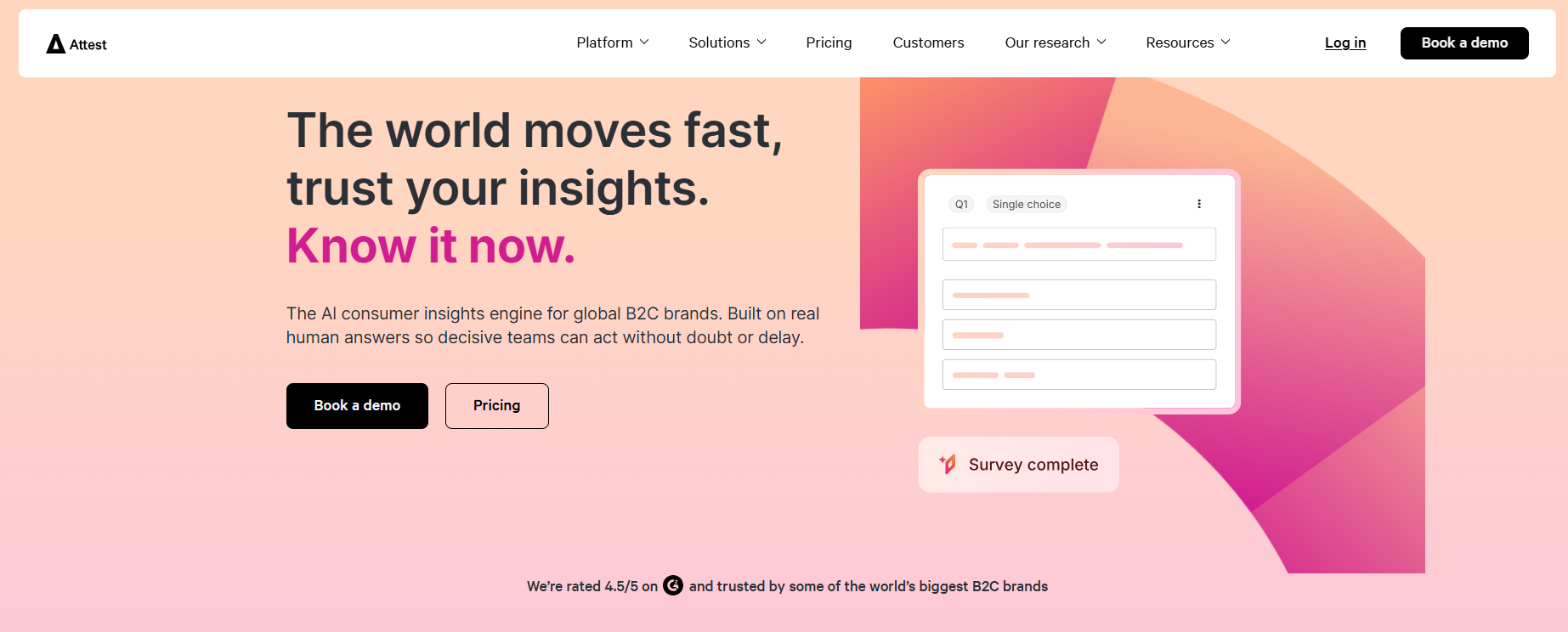
It helps your team track brand awareness and perception over time, schedule brand-tracking studies, compare audience groups, and monitor how attitudes change.
Attest also supports multi-market work, quantitative insights, qualitative feedback, and advice from customer research specialists.
Brand Awareness Signals Attest Helps Measure
- Brand awareness, brand perception, and trend movement over time.
- Audience group differences by market, segment, or customer profile.
- Campaign tracking, competitor positioning, and market share signals.
How It Supports Brand Research
Attest lets marketers create and schedule brand tracking studies for recurring measurement. You can compare results by audience group, market, language, and competitor set without paying extra fees for specific markets or audience quotas.
It also supports both quantitative and qualitative brand insights, which help explain the numbers behind consumer perception. That combination can support marketing campaigns, competitive benchmarking, customer experience research, and brand awareness stacks.
8. Brandwatch
Brandwatch is a social listening platform for tracking online conversations, brand mentions, sentiment, competitors, and brand visibility on digital channels.

Its Listen product helps your team monitor social media engagement, forums, review sites, news sites, and other online sources, then use AI, sentiment analysis, alerts, dashboards, and reports to understand brand sentiment.
Brand Awareness Signals Brandwatch Helps Measure
- Online mentions, share of voice, and web brand presence.
- Brand sentiment, unusual conversation spikes, and crisis signals.
- Competitor conversations, trend movement, and audience language.
How It Supports Brand Research
Brandwatch moves beyond basic mention tracking into deeper social listening and sentiment analysis. It supports brand monitoring by pulling signals from social channels, forums, review sites, and beyond. Your team can use those insights for competitor analysis, content marketing, influencer marketing, reputation review, and brand awareness campaigns.
Choose Brand Awareness Tools by Measurement Goal
Start with the decision your team needs to make, then choose the measurement layer that supports it. A great tool for brand awareness should help you understand what people know, remember, search for, say online, and do after they interact with your brand.
Most tools only capture part of that picture. Surveys show recall and perception, tracking tools show movement over time, a brand monitoring tool shows online mentions, and analytics tools show how awareness turns into traffic or lead generation.
Use these questions to narrow your choice:
- Do you need to measure recall, recognition, consideration, or brand perception?
- Do you need to track how brand awareness changes after campaigns?
- Do you need to understand how your brand online appears in search, social, and review spaces?
- Do you need deeper insights into the audience segments behind the numbers?
Your brand awareness stack can also include lighter support tools outside your main research system. Google Alerts can help with simple mention checks, Sprout Social can support social media monitoring, and Google Analytics can connect website traffic with campaign activity.
For content-led brands, the measurement layer should also connect with keyword research, link-building efforts, and content performance. A content marketing platform can help you see how educational content, search visibility, and topic coverage support efforts to increase brand awareness.
The key features to prioritize are the ones tied to your current brand awareness goals. If your team needs a competitive advantage, focus on competitor comparison, share of voice, consumer perception, and the reasons potential customers choose one brand over another.
The best setup should explain what changed, why it changed, and which marketing strategies are actually working.
Measure Brand Awareness With Research You Can Use
Brand awareness data is only helpful when your team can explain what changed, who changed it, and why it matters to your brand strategy.
Survey results, brand mentions, social listening data, campaign lift, search interest, and customer feedback can all point in different directions unless the research connects them to a clear question.
Compeers AI measures brand awareness through custom research built around the audience, market, and decisions your business needs to support.
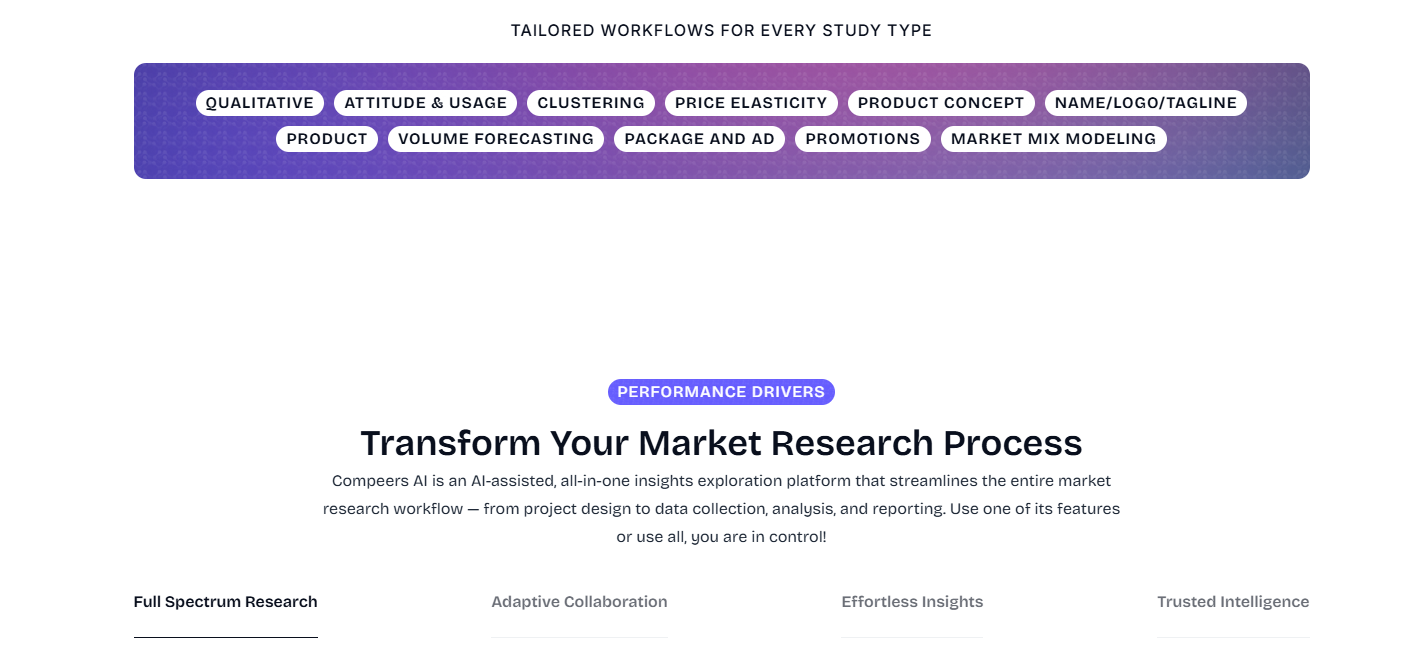
Compeers AI combines awareness surveys, message testing, qualitative feedback, segment comparison, and open-ended analysis in one connected workflow.
The result is deeper visibility into how audiences recognize, perceive, and respond to your brand. You can see how consumers recognize your brand, what they associate with it, which messages land, which segments behave differently, and what the findings mean for marketing channels, campaign planning, brand identity, and future brand awareness efforts.
Book a demo to connect brand awareness, perception, and reporting in one research workflow!
FAQs About Brand Awareness Tools
What metrics do brand awareness tools track?
Brand awareness tools track key metrics such as aided awareness, unaided awareness, brand recall, brand recognition, consideration, share of voice, sentiment, brand mentions, search interest, and website traffic. The right mix depends on your brand awareness goals and the marketing channels you need to measure.
What is the difference between brand awareness tools and brand tracking tools?
Brand awareness tools measure how consumers recognize, remember, search for, or talk about your brand. Brand tracking tools measure those signals over time, so your team can monitor brand performance, campaign impact, competitor movement, and consumer perception.
Can Google Trends measure brand awareness?
Google Trends can help measure search interest for brand names, products, and topics over time, by location, and by popularity. It should support brand awareness measurement, but it can’t explain perception, recall, consideration, or why potential customers changed behavior.
Do social listening tools accurately measure brand awareness?
Social listening tools can measure online visibility, social media engagement, brand mentions, sentiment, and conversation volume. They don’t measure the full market because quiet consumers, non-social buyers, and offline awareness may not appear in online conversations.
How often should brands measure awareness?
Brands should measure awareness quarterly when campaigns, category shifts, or competitive pressure change often. Monthly or always-on brand tracking can help when your team needs faster feedback on brand growth, campaign performance, and consumer perception.


.svg)
Custom research, reimagined
.svg)
.svg)
.svg)
.svg)