.svg)



Integrated Research Platform: What It Is and How It Works

Research slows down when the project is split between multiple platforms. You may scope the study in one tool, collect data in another, clean files in spreadsheets, build findings in slides, and then lose visibility into how the final recommendation connects back to the source data.
An integrated research platform improves that process by keeping more of the work in one system.
That reduces handoffs, cuts repeated work, and makes it easier to move from setup to reporting without rebuilding context at every stage.
In this article, you’ll learn what an integrated research platform is, where it improves research workflows, what these systems look like in practice, and how to introduce one without forcing a full rebuild on day one.
TL;DR
- An integrated research platform connects setup, data collection, analysis, reporting, and knowledge reuse into a single platform, avoiding the need to split work across multiple platforms.
- Research workflows improve when you can keep project logic, source data, and reporting tied together instead of rebuilding them in separate files.
- The biggest workflow gains usually appear first in study setup, fieldwork management, reporting, and the search for past findings.
- Compeers AI helps teams bring planning, data collection, analysis, and reporting into one connected research workflow.
What Is an Integrated Research Platform?
An integrated research platform is a system that connects multiple parts of the research process in one place instead of splitting them between separate tools.
In practical terms, it links project setup, data collection, analysis, reporting, and knowledge reuse so the team can move through the work without having to rebuild context at each step.
That matters because research rarely breaks in one dramatic moment. It breaks when the brief sits in one file, respondent data sits somewhere else, analysis is kept in a different format, and the final deck no longer shows how the team got there.
An integrated research platform reduces that risk by providing one system for the work, one search layer for past information, and a clearer path from project start to final findings.
These systems usually cover a few core workflow areas:
- Setup and project design for templates, intake, and reusable study practices
- Data collection and fieldwork for survey execution, participant management, and quality control
- Analysis and reporting for visualizations, dashboards, and faster draft outputs
- Knowledge reuse for search, traceability, and easier sharing of findings inside the organization
Why Research Teams Use Integrated Research Platforms
Research teams are moving toward integrated platforms because the workflow costs of disconnected tools are becoming harder to ignore.
Quirks 2026 market research trends coverage reports that 95% of researchers now use AI tools regularly or are experimenting with them, which shows how quickly the industry is shifting toward more technology-enabled research operations.
The issue is no longer whether new tools exist, but whether your process can hold together once project setup, data collection, analysis, and reporting start moving between different systems.
MRII’s 2025 AI in Focus study found that 62% of respondents say most or some of their team is already using AI, up from 39% the year before.
That change raises the cost of fragmented workflows.
HubSpot research found that 34% of businesses have already experienced revenue loss due to fragmented customer data, 92% say valuable insights are outside their CRM, and 37% say productivity suffers when people have to reconcile scattered information.
An integrated research platform helps fix that by reducing handoffs, duplicate work, and manual cleanup. You get a cleaner path from project design to final insight, plus better visibility into what your organization already knows.
How Integrated Research Platforms Improve Research Workflows
The value of an integrated research platform becomes clearer when you look at the parts of the workflow that usually break first.
1. Planning and Study Setup
Planning is often the first point where time gets lost. A new project can trigger the same cycle of rebuilding screeners, rewriting survey blocks, recreating discussion guides, and checking old sites to find out how a similar project was told last time.
An integrated research platform reduces that setup drag by keeping project design in the same system as the rest of the work. You can use templates, shared practices, intake rules, and standardized structures without chasing files between multiple platforms.
The workflow gains usually show up in a few clear ways:
- Reusable templates reduce repeated setup work
- Shared intake improves visibility before fieldwork starts
- Centralized project setup keeps objectives, methods, and outputs in one place
That gives you a cleaner starting point. Instead of asking where the latest version is stored or which file the project should follow, you can read the study in one place and move into fieldwork with less friction.
2. Data Collection and Fieldwork Management
Fieldwork often looks fine until the handoff begins. You may collect usable data, but the next step still depends on exports, file cleanup, spreadsheet fixes, and manual checks before the project can move into analysis.
An integrated research platform improves that step by tying data collection to the next stage of the process. Responses can move into analytics, visualizations, and draft outputs without the same level of manual wrangling, making real-time visibility easier and reducing the risk of broken files or missing context.
The biggest workflow gains usually come from:
- Fewer exports between fieldwork and analysis
- Built-in workflow links between collection, checks, and reporting
- Better team coordination when permissions and ownership are clear
That doesn't remove every risk in fieldwork. It gives you a cleaner process for handling data quality, timing, and collaboration, so the project keeps moving without breaking.
3. Analysis and Reporting
Analysis and reporting often slow down because the raw data is technically ready, but the usable insights are not yet available. You still need to clean up the outputs, rebuild charts, reformat tables, and convert the collection file into a format the business can read.
An integrated research platform shortens that gap by keeping analysis tools and reporting outputs closer to the data source.
Instead of forcing you into a separate stack for every chart, table, or first-pass summary, it can feed dashboards, visualizations, and reporting outputs from the same live project.
That usually improves research work in three practical ways:
- Faster reporting because the output is linked to the live project data
- More consistent visualizations because the tools are designed for research data
- Less manual rework before stakeholders can read the findings
The real value is the ability to move from analysis to action without breaking the chain between evidence, insights, and the final readout.
4. Research Continuity and Knowledge Reuse
Research continuity breaks when nobody can find what already exists. Findings get buried in drives, email threads, decks, or disconnected sites, and the next project starts from zero, even though the organization has already paid for similar work.
An integrated research platform improves that by keeping research artifacts searchable, structured, and reusable.
That can include studies about customers, users, patients, product development, or industry investigations, as long as the information is organized in a way people can search and trust.
The workflow benefits usually come from:
- Search and filtering that help you find relevant work in a browser
- Traceability from an insight back to the evidence behind it
- Shared access that makes findings easier to read, use, and share
That is where integrated research becomes more than workflow efficiency. It helps your organization stop treating every study as a fresh start and instead build a usable knowledge base.
Examples of Integrated Research Platforms
The category includes different platform types, not one fixed model. The biggest differences usually show up in workflow depth, method support, and how the system handles storage, search, and reuse.
Workflow-First Integrated Research Platforms
This type of platform is designed to keep project setup, data collection, analysis, and reporting tied to a single workflow. It is usually the better fit when the biggest problem is lost context between research stages.
For example, Compeers AI.
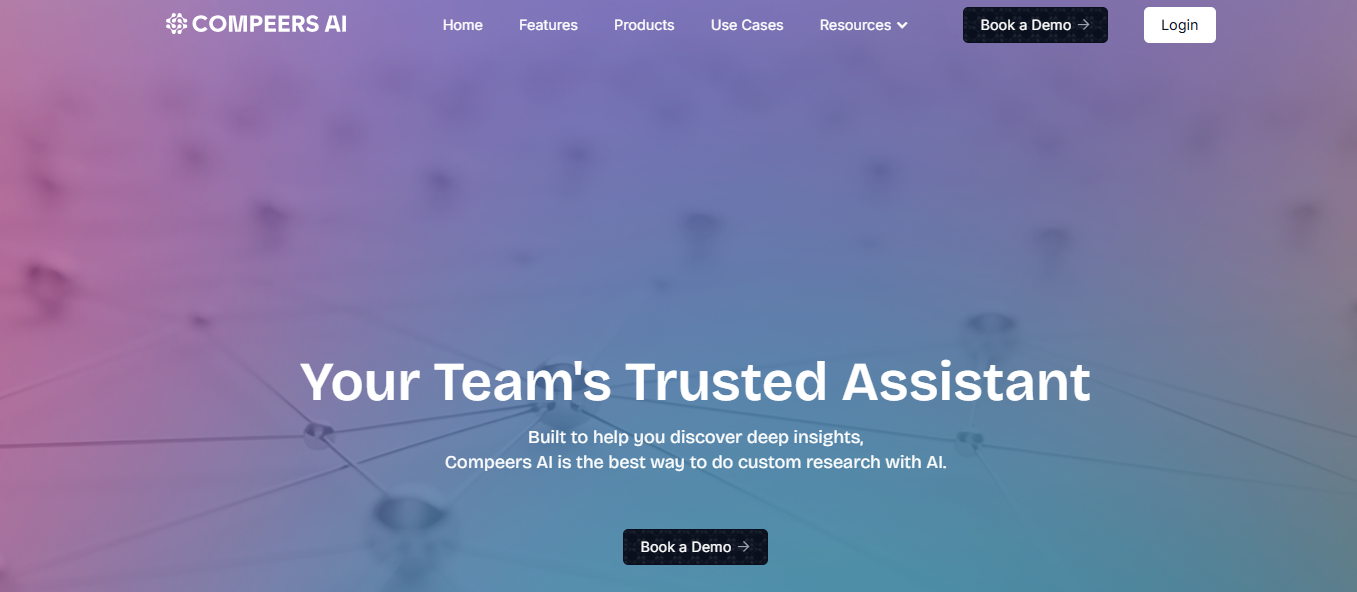
Discussion guides, questionnaire logic, respondent checks, transcripts, coded qual data, cross-tabs, concept evaluations, and first-pass reporting all stay tied to the same project record instead of being pushed into separate files and tools.
That shows up in the product structure:
- Qualitative Compeer covers interviews, focus groups, transcription, translation, coding, and draft deliverables.
- Quantitative Compeer handles survey design, programming, respondent checks, data cleaning, cross-tabs, and analysis.
- Segmentation Compeer supports audience modeling.
- Short Responses Compeer speeds up text-heavy studies.
- Rapid Concept Evaluation Compeer handles concept testing.
- Savant adds AI-assisted exploration and first-pass insight generation.
Book a demo and bring setup, evidence, and reporting into one connected research process!
Agile Mixed-Method Research Platforms
This type is more useful when you run repeated research programs and need a broader set of qualitative and quantitative methods within a single environment. The focus is less on a single project workflow and more on keeping ongoing research active and organized.
For example, FlexMR InsightHub.
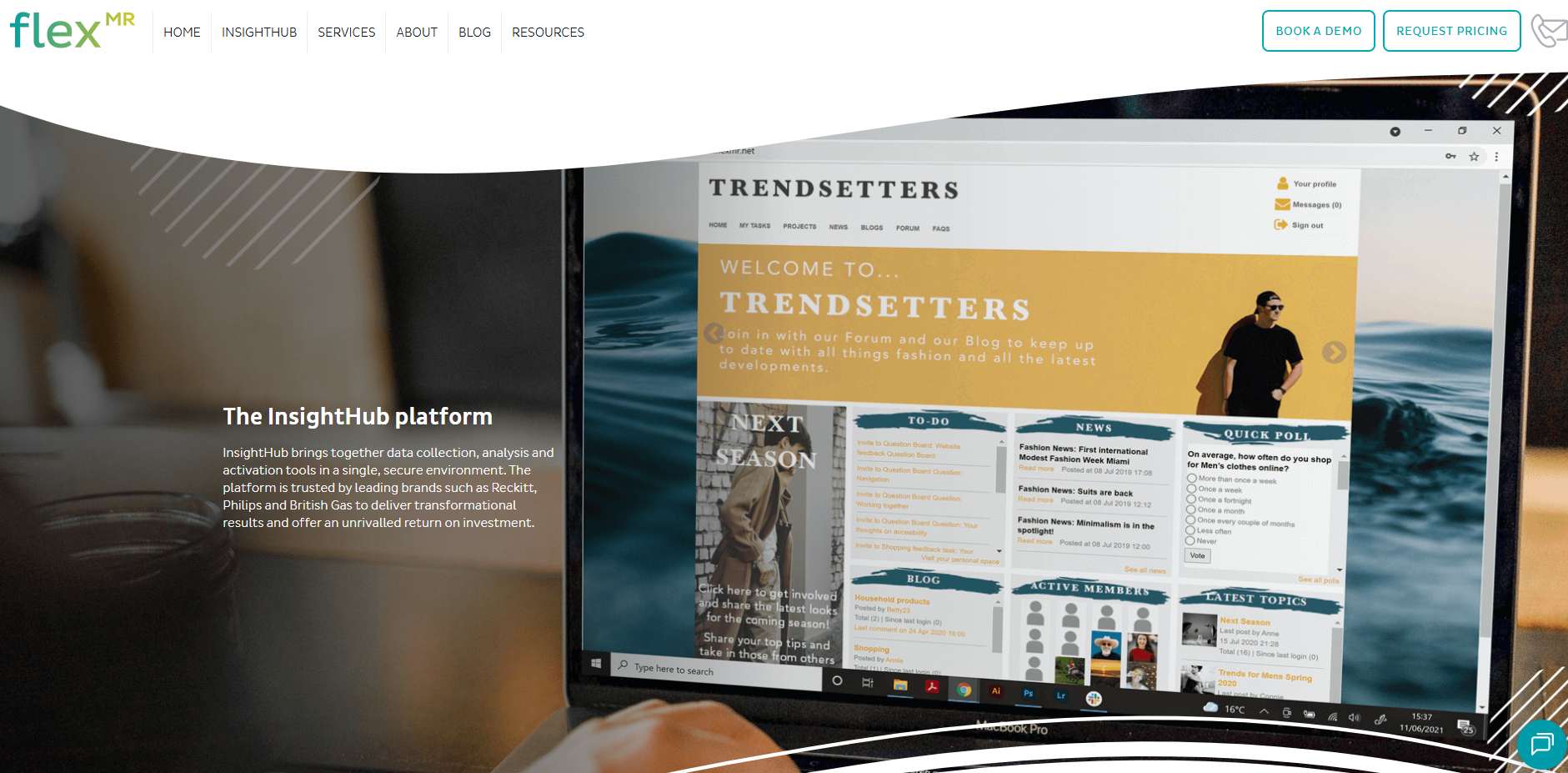
It supports surveys, in-depth interviews, focus groups, question boards, communities, and video research, making it useful for businesses conducting continuous mixed-methods work rather than isolated studies.
Repository-Led Research Platforms
This type is built more around search, synthesis, and knowledge reuse. It becomes more useful when the main issue is not fieldwork execution, but buried findings and weak visibility into what the organization already knows.
For example, Dovetail.
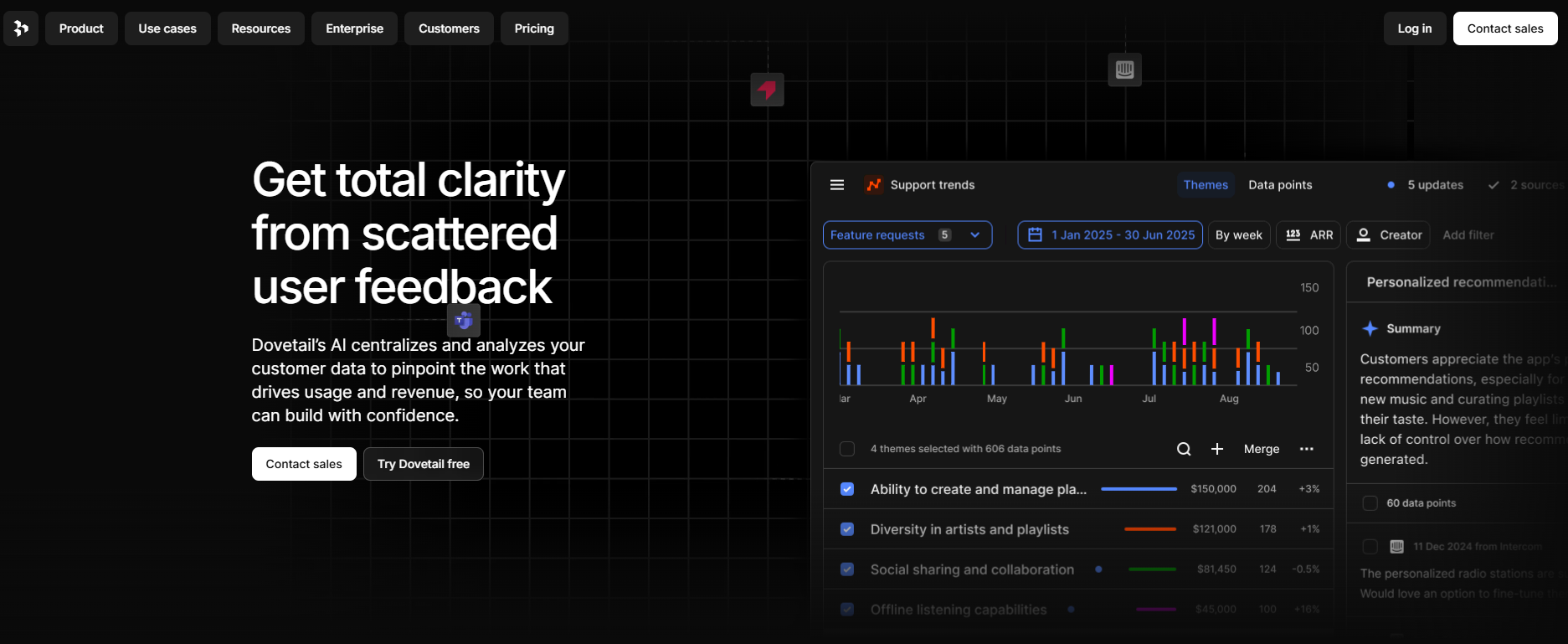
It helps centralize interviews, feedback, notes, and other research inputs so findings are easier to search, tag, share, and reuse later.
How to Start Using an Integrated Research Platform
You do not need a full rebuild on day one. The safer move is to start where the workflow already costs you the most time.
Begin with the biggest break point in your process. That may be study setup, fieldwork handoffs, analysis, reporting, or the search for past findings. If you fix the highest-friction step first, the value becomes visible faster and adoption gets easier.
Here is the more practical rollout path:
- Map your current process. List the survey tools, spreadsheets, notes, decks, and sites that keep the project moving today. Then mark where the work breaks, slows, or loses visibility.
- Choose one workflow to fix first. A single high-friction area, such as questionnaire setup or reporting, is easier to improve than the whole process at once.
- Set ownership before rollout. Decide who manages setup, permissions, quality checks, outputs, and maintenance so the platform has a clear operating model.
- Test it on a visible project. Start with a study that has real stakeholder attention, not a side project nobody will read.
- Measure the change. Track time saved, number of exports removed, handoffs reduced, or reporting speed improved so the rollout has proof behind it.
This phased approach is usually more reliable than a full platform swap. People adopt new technology more easily when it removes a visible problem early and improves a job they already need to do.
Bring Research Work Into One Connected System with Compeers AI
Research gets harder to manage when setup, fieldwork, analysis, and reporting are split between separate tools. You lose time in handoffs, repeat work in new files, and spend too much effort rebuilding the story behind the data before anyone can use the findings.
Compeers AI helps your team keep that work connected from the start.
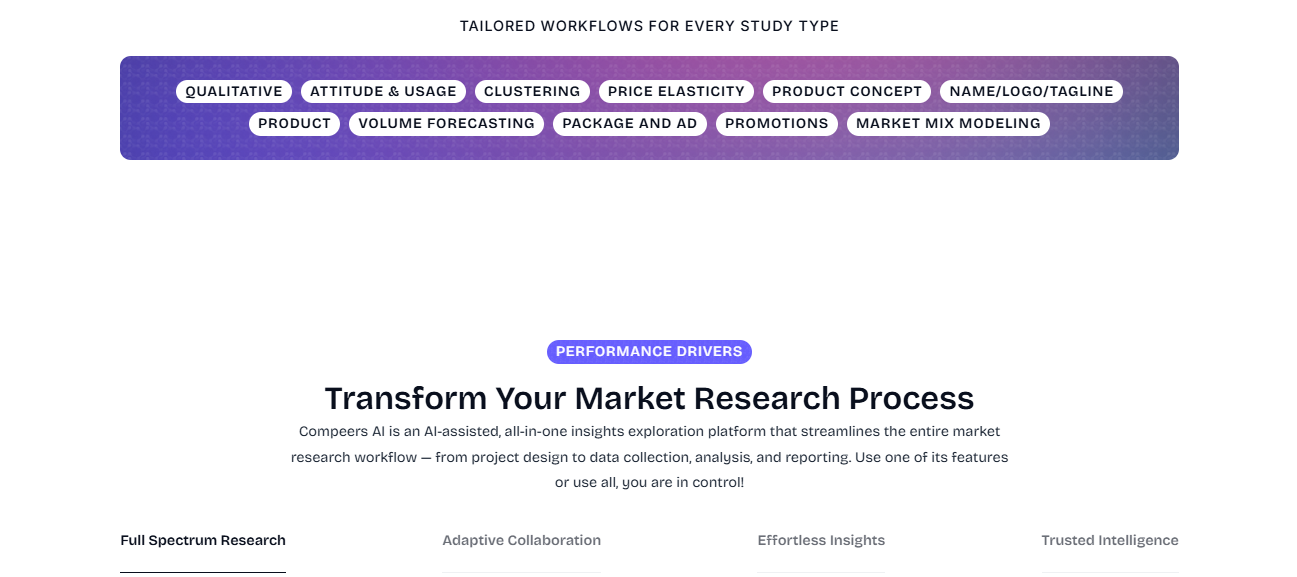
You can scope the study, build questionnaires and discussion guides, run qualitative and quantitative research, review transcripts and survey data in context, and move into first-draft reporting without breaking the workflow at each stage.
That connected workflow is backed by product depth built for custom market research.
Qualitative Compeer supports interviews, focus groups, transcription, translation, coding, and draft deliverables.
Quantitative Compeer covers survey design, programming, respondent checks, data cleaning, cross-tabs, and analysis.
Segmentation Compeer, Short Responses Compeer, Rapid Concept Evaluation Compeer, and Savant help your team handle audience work, fast-turn responses, concept testing, and AI-assisted exploration in the same system.
Book a demo to see how Compeers AI helps your team run research in one connected system!
FAQs About Integrated Research Platforms
How is an integrated research platform different from a survey tool?
An integrated research platform supports more of the workflow than a survey tool. It connects setup, data collection, analysis, reporting, and knowledge reuse in one system instead of stopping at survey execution.
What should buyers review before choosing an integrated research platform?
Start with permissions, integrations, reporting flow, and search for past findings. You should also review ownership, maintenance needs, and how the platform fits the work you already run.
Can an integrated research platform improve reporting and knowledge reuse?
Yes. It can keep live project data tied to reporting and make past findings easier to store, search, and reuse later.



.svg)
Custom research, reimagined
.svg)
.svg)
.svg)
.svg)